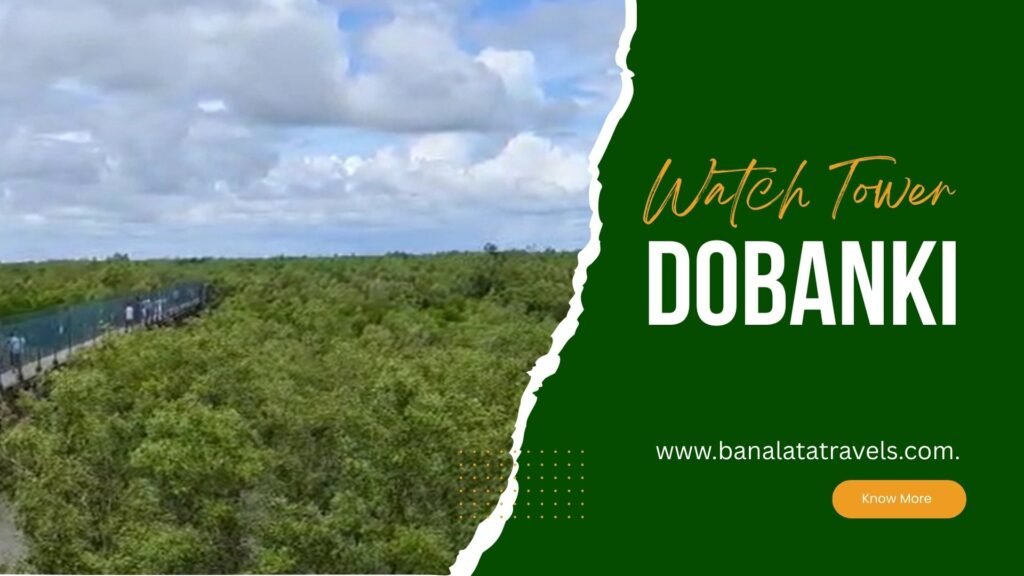

Discover the Natural Shield of the Sundarbans with Banalata Travels
The Sundarbans is not just a travel destination—it is a living, breathing ecosystem that protects millions of lives and supports extraordinary biodiversity. At the heart of this ecosystem lies the Sundarban mangrove trees, nature’s strongest warriors against cyclones, floods, and rising sea levels. When you explore the Sundarbans with Banalata Travels, you are stepping into the world’s largest mangrove forest, a UNESCO World Heritage Site and one of India’s greatest natural treasures.
In this blog, we explore 10 important and fascinating facts about Sundarban mangrove trees, helping travelers understand why these trees are the true guardians of the delta.
1. Sundarbans Is the Largest Mangrove Forest in the World
The Sundarbans is home to the largest continuous mangrove forest on Earth, spread across India and Bangladesh. Covering thousands of square kilometers, this mangrove ecosystem thrives where freshwater from rivers meets saltwater from the Bay of Bengal.
The name Sundarban is believed to have originated from the Sundari tree, one of the dominant mangrove species in the region. These forests are not just dense greenery—they are a complex natural defense system that has evolved over thousands of years.
2. Mangrove Trees Can Survive in Saltwater
One of the most remarkable facts about Sundarban mangrove trees is their ability to survive in highly saline water. Unlike normal trees, mangroves have developed special mechanisms to deal with salt.
Some mangrove species filter salt through their roots, while others expel salt through their leaves. This unique adaptation allows mangroves to grow in tidal zones where seawater floods the land twice a day, making the Sundarbans one of the most resilient ecosystems on the planet.
3. Their Aerial Roots Help Them Breathe
Mangrove trees in the Sundarbans have aerial or prop roots that rise above the muddy soil. These roots are essential for survival because the soil in mangrove forests lacks oxygen.
The roots act like breathing tubes, absorbing oxygen directly from the air. When you take a boat safari with Banalata Travels, these tangled roots are one of the first sights that capture your attention, giving the forest its mysterious and dramatic appearance.
4. Mangroves Protect Coastal Areas from Cyclones
The Sundarban mangrove trees play a critical role in reducing the impact of cyclones, storms, and tidal waves. The dense network of roots and trunks slows down strong winds and water currents before they reach human settlements.
Studies have shown that villages protected by mangrove belts suffer far less damage during cyclones. This is why the Sundarbans is often called India’s natural shield against climate disasters.
5. Mangrove Trees Are the Foundation of Sundarban Wildlife
The entire Sundarban ecosystem depends on mangrove trees. They provide shelter, breeding grounds, and food for countless species, including fish, crabs, birds, reptiles, and mammals.
The famous Royal Bengal Tiger of the Sundarbans depends indirectly on mangroves, as they support the prey base and maintain ecological balance. Without mangrove trees, the wildlife of the Sundarbans would not survive.
6. Sundarban Mangroves Support Local Livelihoods
Mangrove forests are deeply connected to the lives of local communities. People living around the Sundarbans depend on mangroves for fishing, honey collection, crab farming, and eco-tourism.
Sustainable tourism operators like Banalata Travels help create awareness about conservation while supporting local employment. Responsible travel ensures that mangrove forests continue to benefit both nature and people for generations to come.
7. Mangroves Act as Powerful Carbon Sinks
One lesser-known but highly important fact is that mangrove trees are excellent carbon absorbers. They store significantly more carbon than most terrestrial forests, helping reduce the effects of global warming.
By trapping carbon in their roots and soil, Sundarban mangroves play a silent but crucial role in fighting climate change. Visiting and supporting eco-tourism in the Sundarbans contributes to conservation awareness and climate responsibility.
8. Sundarbans Has Over 60 Mangrove Species
The Sundarbans is incredibly diverse, with more than 60 species of mangrove plants, including Sundari, Gewa, Goran, Keora, and Baen. Each species plays a unique role in stabilizing soil, supporting wildlife, and adapting to changing tides.
This diversity makes every boat safari a learning experience. With Banalata Travels, travelers get the opportunity to witness this rich plant life up close while cruising through narrow creeks and wide rivers.
9. Mangrove Roots Prevent Soil Erosion
The dense root systems of Sundarban mangrove trees bind the soil together, preventing erosion caused by tides and river currents. Without mangroves, the delta would slowly disappear into the sea.
These roots trap sediments carried by rivers, helping form new land and maintaining the delicate balance of the Sundarbans. This natural engineering makes mangroves one of the most valuable ecosystems in the world.
10. Mangrove Forests Make Sundarban Tourism Unique
The mysterious beauty of mangrove forests is what makes Sundarban tourism truly special. Narrow waterways, dense green walls, exposed roots, and sudden wildlife sightings create an unforgettable experience.
When you travel with Banalata Travels, you don’t just visit a forest—you explore a living ecosystem shaped by mangrove trees. Guided tours, boat safaris, and village experiences help travelers understand the importance of conservation while enjoying nature responsibly.
Why Explore the Sundarbans with Banalata Travels?
At Banalata Travels, we believe that travel should be meaningful, educational, and sustainable. Our Sundarban tour packages are designed to give travelers an authentic experience while respecting the fragile mangrove ecosystem.
We offer:
- Well-planned Sundarban tour packages
- Safe and comfortable boat safaris
- Knowledgeable local guides
- Eco-friendly travel experiences
- Cultural and village exploration
By choosing Banalata Travels, you support responsible tourism that helps preserve the Sundarban mangrove forests for future generations.
Final Thoughts
The Sundarban mangrove trees are more than just plants—they are protectors, providers, and lifelines of one of the world’s most unique ecosystems. Understanding their importance adds depth and meaning to your Sundarban journey.
If you are planning a trip to the Sundarbans, let Banalata Travels guide you through this extraordinary landscape where mangrove trees stand tall against nature’s toughest challenges.
🌿 Explore the Sundarbans responsibly. Experience nature with Banalata Travels.