
The Sundarbans is one of the most fascinating natural ecosystems in the world. Spread across parts of eastern India and Bangladesh, this vast mangrove forest is the largest mangrove ecosystem on the planet. The region is famous for its rich biodiversity, winding rivers, unique wildlife, and dense vegetation. While many visitors come here hoping to see the Royal Bengal Tiger, the forest is equally remarkable for its incredible variety of trees, shrubs, and mangrove plants.
The plants of the Sundarbans are specially adapted to survive in salty water, muddy soil, and tidal flooding. These unique adaptations make mangrove forests one of the most resilient ecosystems on Earth. Mangrove trees not only support wildlife but also protect coastal areas from cyclones, reduce soil erosion, and help maintain ecological balance.
When you explore the Sundarbans with Banlata Travels, you will notice the remarkable diversity of plants that form the backbone of this ecosystem. Understanding these trees and plants will make your Sundarban trip more meaningful and interesting.
20 famous Sundarbans trees and plants
1. Sundari Tree (Heritiera fomes)
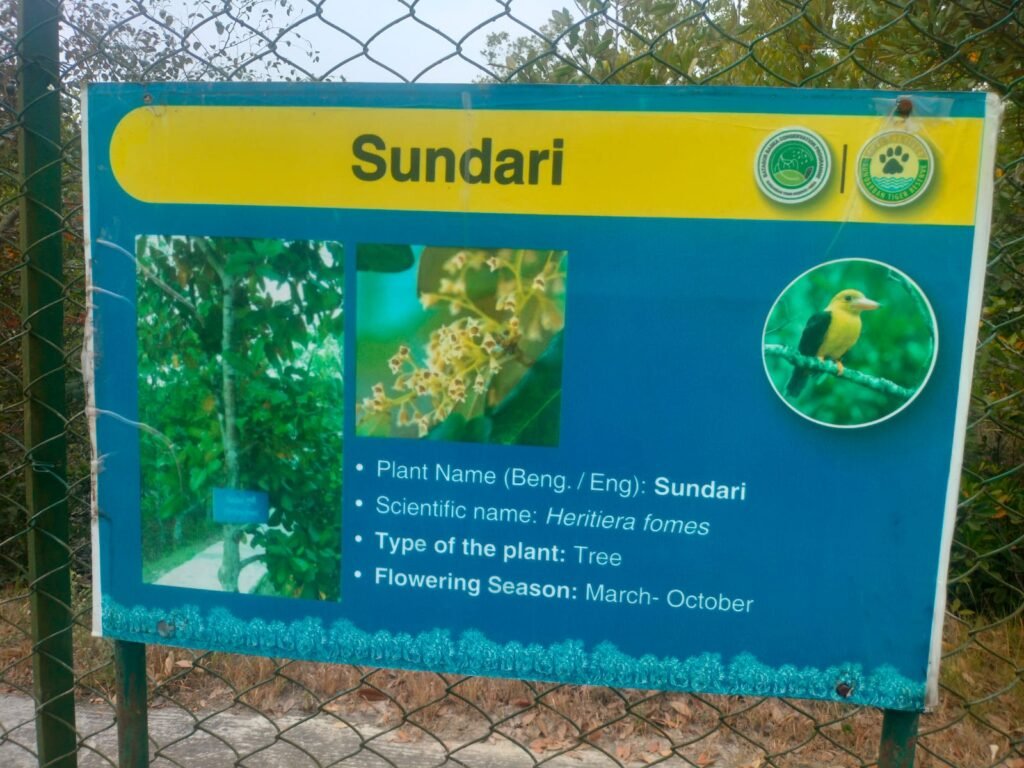
The Sundari tree is the most iconic tree of the Sundarbans, and the forest itself gets its name from this species. This tall mangrove tree can grow up to 20 meters in height and is widely found throughout the region.
Sundari trees thrive in moderately saline water and muddy soil. Their strong root systems help stabilize the forest floor and prevent erosion.
Important features of Sundari trees include:
- Strong and durable hardwood
- Important source of timber
- Provides habitat for birds and animals
Unfortunately, increasing salinity and environmental changes are affecting the growth of Sundari trees in some parts of the Sundarbans.
2. Gnewa Tree (Excoecaria agallocha) – Blind Your Eye Mangrove
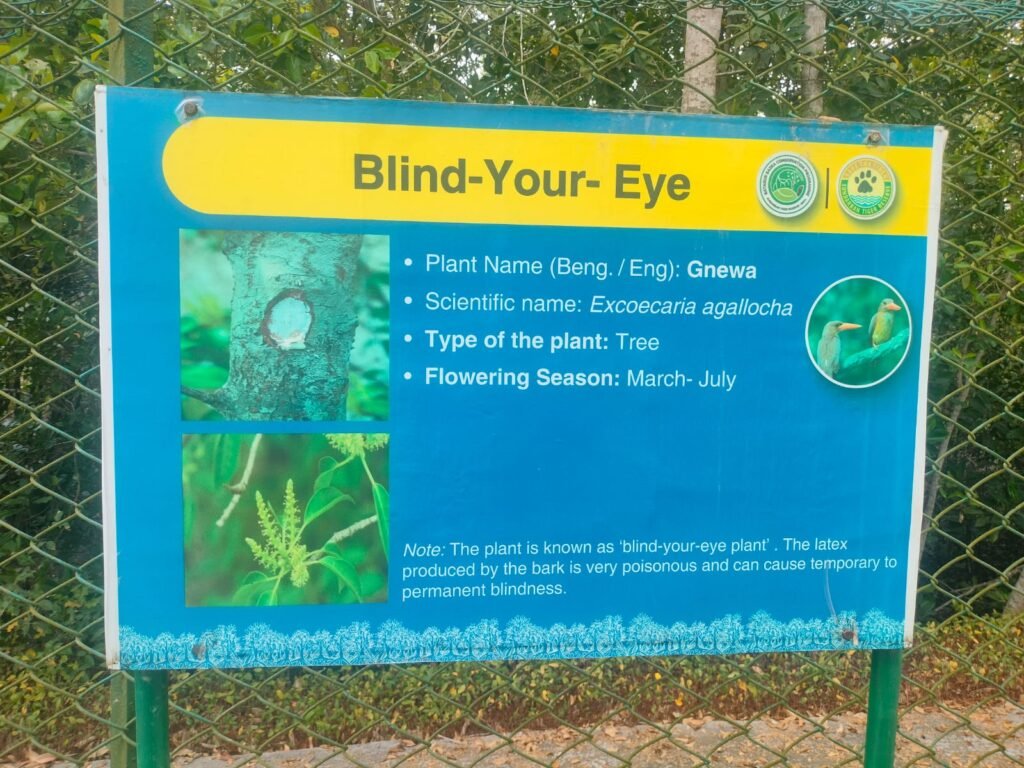
The Gewa tree is another common mangrove species found in the Sundarbans. It is easily recognized due to the milky sap it produces, which can irritate the skin and eyes.
Because of this property, it is sometimes called the “Blind Your Eye Mangrove.”
Key characteristics include:
- Widely distributed across mangrove forests
- Leaves consumed by spotted deer
- Wood used as fuel and for making paper pulp
Despite its toxic sap, the Gewa tree plays an important ecological role in the forest.
3. Goran Tree (Ceriops decandra)
The Goran tree is a smaller mangrove species that grows densely across large parts of the Sundarbans. These trees often form thick clusters that make some parts of the forest difficult to access.
Important characteristics:
- Dense branching structure
- Helps stabilize muddy soil
- Supports small animals and insects
The wood of Goran trees is commonly used by local communities for making fuel and fences.
4. Keora Tree (Sonneratia apetala)
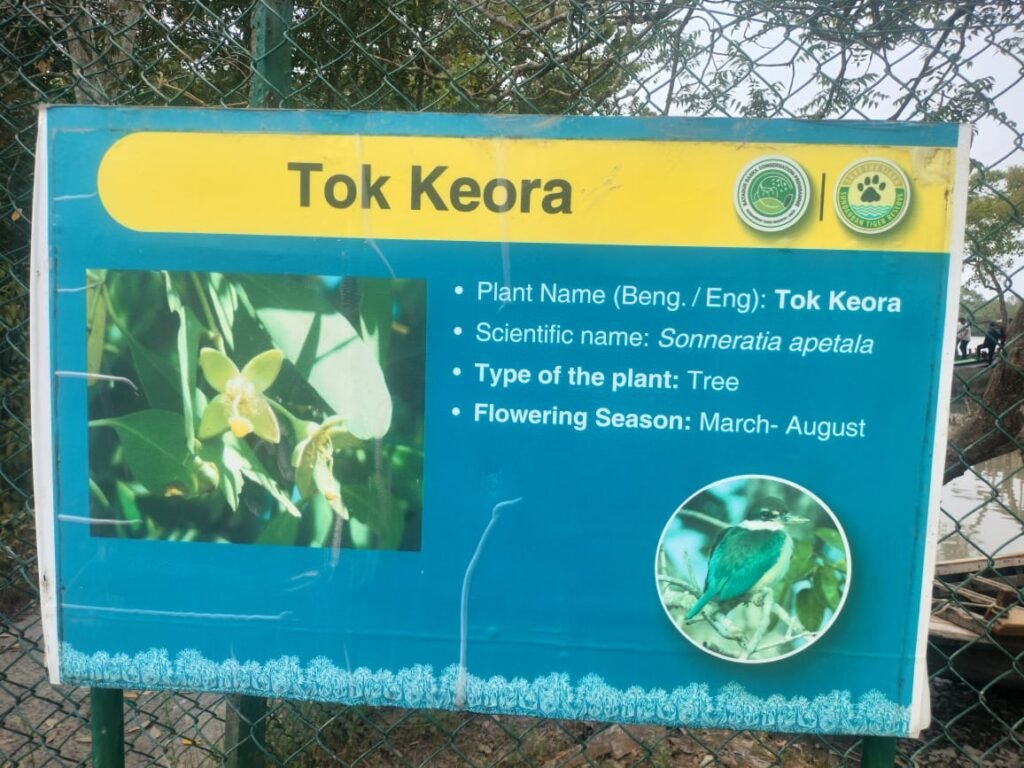
Keora trees are fast-growing mangrove trees commonly found near riverbanks and coastal areas of the Sundarbans.
These trees are important because they help restore mangrove ecosystems and protect the shoreline.
Key features include:
- Rapid growth rate
- Edible fruits used in local cuisine
- Strong roots that prevent erosion
Keora trees also provide shelter for many birds and aquatic animals.
5. Dhundul Tree (Xylocarpus granatum)
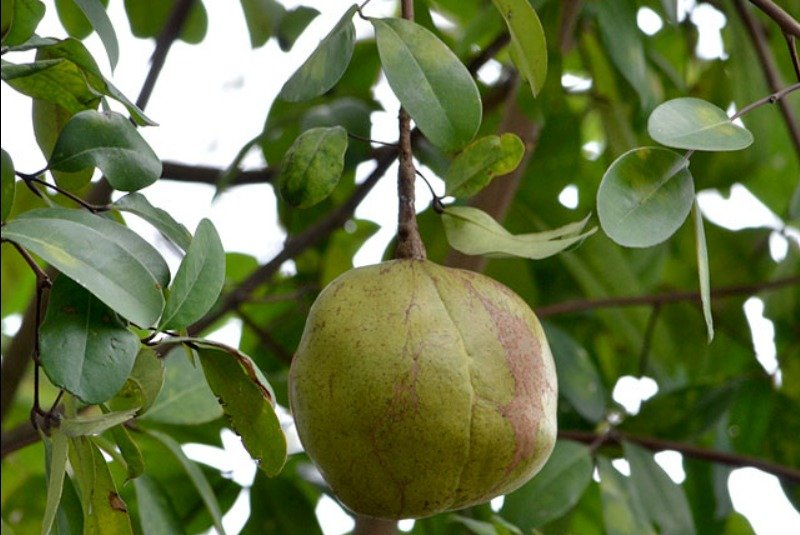
The Dhundul tree is famous for its large, round fruits that resemble wooden balls. These fruits can grow quite large and are often seen floating in water during boat safaris.
Important facts about Dhundul trees:
- Valuable hardwood timber
- Used in boat making and furniture
- Fruits used in traditional medicine
These trees contribute significantly to the biodiversity of the Sundarbans.
6. Passur Tree (Xylocarpus mekongensis)
The Passur tree is closely related to the Dhundul tree and is known for its strong timber.
Local communities have traditionally used Passur wood for:
- Boat construction
- Furniture
- House building
The tree also provides shade and habitat for wildlife in the mangrove ecosystem.
7. Kankra Tree (Bruguiera gymnorhiza)
The Kankra tree is known for its unique root structure. These roots extend above the muddy soil and help the tree survive in waterlogged conditions.
Characteristics include:
- Strong stilt roots
- Salt tolerance
- Important protection against coastal erosion
These roots also create safe breeding grounds for fish and marine animals.
8. Bain Tree (Avicennia officinalis)
The Bain tree is one of the most common mangrove trees in the Sundarbans. It is famous for its pneumatophores, also known as breathing roots.
These roots grow upward from the soil and help the tree absorb oxygen even when submerged in water.
Key benefits include:
- Helps stabilize soil
- Provides shelter for birds
- Supports aquatic life
Bain trees are essential for maintaining the balance of the mangrove ecosystem.
9. Golpata (Nypa fruticans)
Golpata is a type of mangrove palm widely found along the rivers and creeks of the Sundarbans.
This plant is extremely useful for local communities.
Common uses include:
- Leaves used for roofing houses
- Sap used to make sweet products
- Raw material for traditional crafts
Golpata plantations are an important part of the rural economy in Sundarban villages.
10. Hental Palm (Phoenix paludosa)
The Hental palm grows in dense clusters in many parts of the Sundarbans. These palms create natural barriers that protect soil from erosion.
Important features include:
- Strong root system
- Habitat for birds and reptiles
- Leaves used for making fences and baskets
Hental forests are also home to many small animals and insects.
11. Khalshi Plant (Aegiceras corniculatum)
The Khalshi plant is a small mangrove shrub that produces beautiful white flowers.
These flowers attract honeybees, making the plant very important for Sundarban honey production.
Key facts:
- Rich source of nectar
- Supports bee populations
- Essential for local honey collectors
Honey from Sundarbans mangroves is considered one of the finest natural honeys.
12. Ora Tree (Aegialitis rotundifolia)
The Ora tree is a salt-tolerant mangrove species that grows near tidal creeks.
Although smaller than other mangrove trees, it plays an important role in stabilizing coastal soil.
Benefits include:
- Prevents soil erosion
- Supports marine biodiversity
- Helps maintain ecological balance
13. Garjan Tree (Rhizophora mucronata)
Garjan trees are known for their dramatic prop roots that extend above the water surface.
These roots help anchor the tree in soft muddy soil and protect coastal areas from tidal waves.
Key features include:
- Strong prop root system
- Important protection against cyclones
- Habitat for fish and crabs
Garjan trees are a common sight during Sundarban boat safaris.
14. Kandelia Mangrove (Kandelia candel)
Kandelia mangroves are smaller trees but play an important ecological role in the mangrove forest.
Benefits include:
- Protects shorelines
- Supports fish breeding
- Improves coastal stability
These plants help maintain biodiversity in the Sundarbans.
15. Tiger Fern (Acrostichum aureum)
Tiger fern is a large fern species that grows in wet and marshy areas of the Sundarbans.
Important features include:
- Grows in disturbed mangrove areas
- Provides shelter for small animals
- Helps maintain plant diversity
This fern adds to the unique vegetation of the mangrove ecosystem.
16. Mangrove Date Palm (Phoenix paludosa)
This palm species grows widely across the Sundarbans and forms dense vegetation.
Uses include:
- Leaves used for weaving mats
- Natural protection against soil erosion
- Habitat for birds and insects
17. Wild Rice (Oryza coarctata)
Wild rice is a rare salt-tolerant grass species found in coastal regions of the Sundarbans.
It has attracted the interest of scientists because of its ability to survive in highly saline environments.
Benefits include:
- Helps stabilize muddy land
- Potential for agricultural research
- Supports local ecosystems
18. Sea Holly (Acanthus ilicifolius)
Sea holly is a thorny mangrove plant known for its beautiful purple flowers.
This plant has been used in traditional medicine for centuries.
Important properties:
- Medicinal value
- Soil stabilization
- Habitat for insects and small animals
19. Mangrove Apple (Sonneratia caseolaris)
The mangrove apple tree produces edible fruits that are used in local food preparations.
These trees grow along tidal rivers and creeks.
Key benefits include:
- Fruit used in traditional recipes
- Supports wildlife populations
- Important mangrove species
Birds and animals often feed on these fruits.
20. Blind Your Eye Mangrove (Excoecaria agallocha)
This plant produces a milky latex sap that can irritate eyes and skin.
Despite its toxicity, it is an important part of the mangrove ecosystem.
Key roles include:
- Natural defense against herbivores
- Supports forest biodiversity
- Helps maintain ecological balance
Importance of Mangrove Plants in the Sundarbans
The trees and plants of the Sundarbans are essential for the survival of this unique ecosystem. These mangrove forests provide several important environmental benefits:
Coastal Protection
Mangrove roots protect coastal areas from storms, cyclones, and tidal waves.
Wildlife Habitat
Thousands of species of animals, birds, reptiles, and fish depend on mangrove vegetation for survival.
Soil Stabilization
Mangrove roots help hold soil together and prevent erosion.
Carbon Storage
Mangrove forests store large amounts of carbon and help fight climate change.
Livelihood Support
Local communities depend on mangrove resources for honey collection, fishing, and small-scale forestry.
Discover Sundarbans with Banlata Travels
Exploring the Sundarbans is a once-in-a-lifetime experience for nature lovers and adventure travelers. The best way to learn about the forest’s rich biodiversity is by visiting it with experienced guides.
Banlata Travels offers well-organized Sundarban tour packages that allow travelers to explore the mangrove forests, observe wildlife, and understand the ecological importance of this region.
With comfortable accommodation, guided boat safaris, and experienced tour coordinators, Banlata Travels ensures that every visitor enjoys a safe, educational, and unforgettable Sundarban journey.
Whether you are a wildlife enthusiast, photographer, or nature lover, a Sundarban trip with Banlata Travels will give you the chance to discover the beauty of one of the most unique forests in the world.