
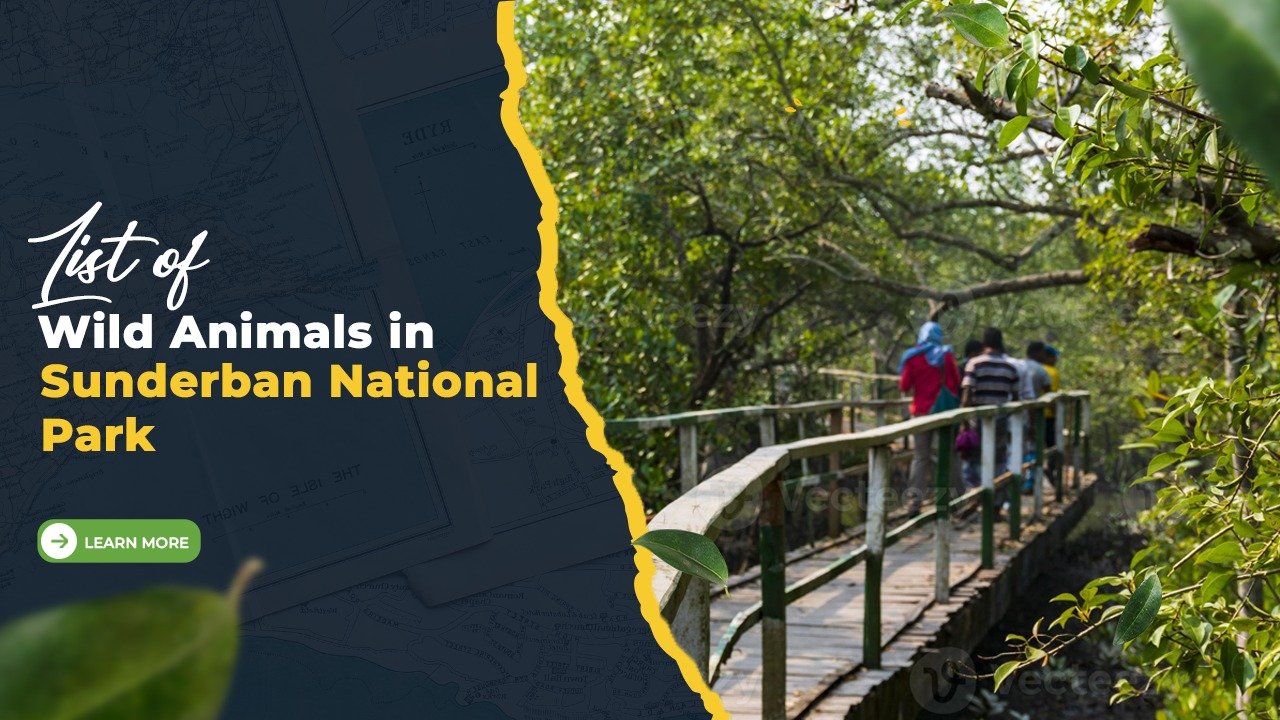
The Sundarban National Park is one of the most fascinating wildlife destinations in the world. Located in the vast mangrove forests of the Sundarbans Mangrove Forest, this unique ecosystem spreads across India and Bangladesh and is recognized as a UNESCO World Heritage Site. The park is famous for its dense mangrove forests, winding rivers, muddy creeks, and diverse wildlife.
For nature lovers, photographers, and adventure seekers, the Sundarbans offers an unforgettable wildlife experience. The region is best known for the majestic Royal Bengal Tiger, but the park is also home to a wide range of mammals, reptiles, birds, and aquatic creatures.
If you are planning a wildlife trip with Banalata Travels, a trusted travel partner for Sundarban tours, you will have the opportunity to explore these amazing animals in their natural habitat through guided boat safaris and forest watchtowers.
In this blog, we will explore 15 wild animals in Sundarban National Park that make this mangrove forest one of the richest wildlife regions in India.
Wildlife Diversity in Sundarban National Park
The Sundarbans ecosystem supports an incredible variety of fauna due to its unique combination of mangrove forests, tidal waterways, and mudflats.
The wildlife diversity includes:
- 42 species of mammals and predators
- 55 species of reptiles
- 170 species of aquatic animals
- 270+ species of birds
Because of this extraordinary biodiversity, Sundarban National Park is considered one of the most important wildlife reserves in South Asia.
15 Wild Animals in Sunderban National Park
1. Royal Bengal Tiger
The most famous resident of the Sundarbans is the Royal Bengal Tiger. These powerful predators are the top attraction for tourists visiting the park.
Unlike tigers found in other forests, Sundarban tigers are known for their unique behavior. They are excellent swimmers and often move between islands through rivers and creeks.
Key Facts
- Apex predator of the Sundarbans ecosystem
- Known for strong swimming ability
- Adapted to mangrove forest environment
Spotting a tiger in the wild is rare but incredibly thrilling during a Sundarban boat safari.
2. Fishing Cat
The Fishing Cat is one of the most interesting wild cats found in the Sundarbans. As the name suggests, this animal specializes in hunting fish.
It lives near wetlands and mangrove swamps where it catches fish using its sharp claws.
Interesting Facts
- Semi-aquatic wild cat
- Excellent swimmer
- Active mostly at night
3. Saltwater Crocodile
The Saltwater Crocodile is one of the largest reptiles in the world and can often be seen basking near the riverbanks of the Sundarbans.
These powerful predators thrive in the tidal rivers and creeks of the mangrove forests.
Key Characteristics
- Largest living reptile species
- Strong jaws and powerful bite
- Can grow over 6 meters in length
4. Spotted Deer (Chital)
The Chital, also known as spotted deer, is one of the most commonly seen animals in the Sundarbans.
These graceful herbivores are the primary prey of the Royal Bengal Tiger.
Features
- Brown body with white spots
- Usually seen in herds
- Often spotted near forest edges and grasslands
5. Wild Boar
The Wild Boar is another commonly found mammal in the Sundarban forests. These animals are known for their strong build and aggressive behavior when threatened.
Highlights
- Omnivorous animal
- Very adaptable species
- Important part of the forest ecosystem
6. Water Monitor Lizard
The Water Monitor is one of the largest lizards found in the Sundarbans.
These reptiles are excellent swimmers and can often be seen near water bodies or climbing trees.
Facts
- Carnivorous reptile
- Feeds on fish, birds, and small animals
- Can grow over 2 meters long
7. Indian Python
The Indian Python is a large non-venomous snake that inhabits the mangrove forests of the Sundarbans.
These snakes rely on camouflage and strength to capture prey.
Key Points
- Non-venomous constrictor
- Excellent camouflage in forests
- Can grow up to 20 feet long
8. Rhesus Macaque
The Rhesus Macaque is one of the most intelligent primates found in the Sundarbans.
These monkeys are highly social and often seen moving in groups across trees and riverbanks.
Interesting Traits
- Highly adaptable species
- Lives in social groups
- Very active during the day
9. Jungle Cat
The Jungle Cat is a medium-sized wild cat that lives in grasslands and wetlands around the Sundarbans.
Although rarely spotted, these animals are skilled hunters.
10. Gangetic Dolphin
The Ganges River Dolphin is one of the most fascinating aquatic species found in the rivers surrounding the Sundarbans.
This endangered dolphin species plays a vital role in the aquatic ecosystem.
Highlights
- Freshwater dolphin species
- Uses echolocation to navigate
- Indicator of river health
11. Mudskipper Fish
One of the most unusual creatures of the Sundarbans is the Mudskipper.
These fish can walk on land using their fins and survive outside water for extended periods.
Unique Ability
- Amphibious fish
- Moves on mudflats
- Can breathe through skin and mouth
12. King Cobra
The King Cobra is the world’s longest venomous snake and is occasionally found in the Sundarbans.
Although dangerous, they usually avoid human interaction.
13. Olive Ridley Sea Turtle
The Olive Ridley Sea Turtle is another remarkable species connected to the Sundarban coastal ecosystem.
These turtles are known for their mass nesting behavior.
14. Flying Fox Bat
The Indian Flying Fox is one of the largest bats found in the region.
These fruit-eating bats play an important role in seed dispersal and forest regeneration.
15. Common Grey Mongoose
The Indian Grey Mongoose is a small but fearless mammal known for its ability to fight snakes.
They are quick, intelligent, and important for controlling pests in the ecosystem.
Birdlife in Sundarban National Park
Beyond mammals and reptiles, the Sundarbans is a paradise for birdwatchers. The park is home to over 270 bird species, including kingfishers, eagles, storks, and migratory birds.
Rare birds you may spot include:
- Brown-winged Kingfisher
- Lesser Adjutant Stork
- White-bellied Sea Eagle
- Masked Finfoot
The best time for birdwatching is after the monsoon season, when migratory birds arrive in large numbers.
Best Time to Spot Wildlife in Sundarbans
The ideal time to visit the Sundarbans for wildlife exploration is between September and March.
During this period:
- Weather is pleasant
- Water levels are suitable for safaris
- Wildlife sightings increase
Boat safaris allow visitors to explore the deep mangrove forests while observing animals along the riverbanks.
Explore Sundarban Wildlife with Banalata Travels
If you want to experience the incredible wildlife of the Sundarbans, Banalata Travels offers well-organized Sundarban tour packages designed for nature lovers and adventure seekers.
With professional guides, comfortable boat safaris, and carefully planned itineraries, Banalata Travels ensures you get the best opportunity to witness the diverse wildlife of the Sundarbans.
Tour Highlights
- Guided Sundarban boat safaris
- Watchtower wildlife spotting
- Birdwatching opportunities
- Authentic local experiences
- Comfortable accommodation and transport
Whether you are a wildlife photographer, bird watcher, or nature enthusiast, a Sundarban trip with Banalata Travels promises an unforgettable journey into one of the world’s most unique ecosystems.
Final Thoughts
The Sundarban National Park is not just a forest; it is a living ecosystem filled with incredible biodiversity. From the majestic Royal Bengal Tiger to fascinating creatures like mudskippers, crocodiles, dolphins, and flying fox bats, the park offers an extraordinary wildlife experience.
Exploring the Sundarbans gives visitors a chance to witness nature in its raw and untouched form. If you are planning a wildlife adventure in West Bengal, the Sundarbans should definitely be on your travel list.
Book your next adventure with Banalata Travels and discover the breathtaking wildlife of the Sundarbans like never before.