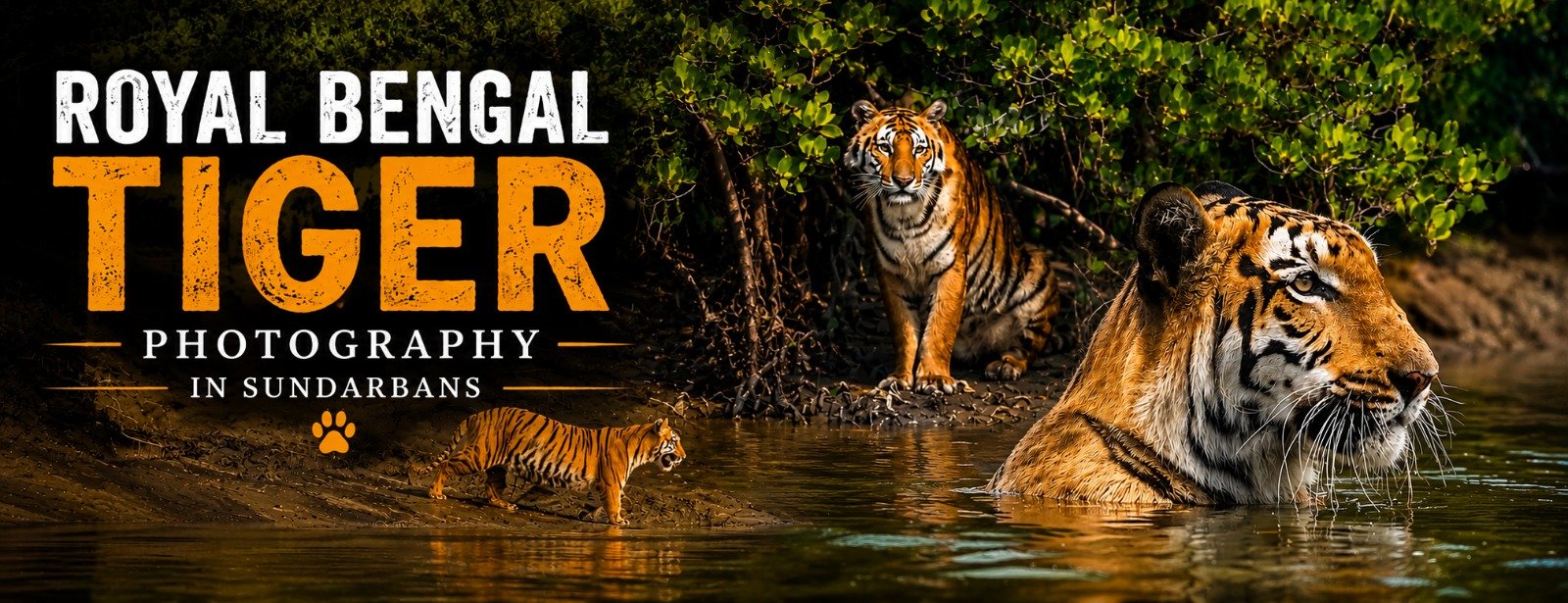
The dream of capturing a stunning photograph of a Royal Bengal Tiger attracts wildlife photographers from across India and around the world. The Sundarbans, the world’s largest mangrove forest and home to the famous Royal Bengal Tiger, is one of the most exciting destinations for wildlife photography. However, Royal Bengal Tiger Photography in Sundarbans is far more challenging than photographing wildlife in open forests or grasslands. It requires patience, preparation, perfect timing, and a deep understanding of animal behaviour.
Unlike many tiger reserves where sightings are relatively frequent, the Sundarbans presents a unique challenge. The dense mangrove forests, winding waterways, and elusive nature of the tiger make every sighting a rare and memorable experience. For serious photographers, this challenge is exactly what makes Sundarban Tiger Photography so rewarding.
If you are planning a wildlife photography expedition, understanding these challenges and choosing the right Sundarban Photography Tour Package can significantly improve your chances of capturing extraordinary wildlife images.
Why Royal Bengal Tiger Photography in Sundarbans Is So Challenging
Royal Bengal Tiger Photography is a challenge in itself. Even experienced wildlife photographers often spend several days in the Sundarbans without getting a clear tiger sighting. Unlike other forests where visibility is relatively open, the Sundarbans is covered with thick mangrove vegetation that provides natural camouflage for tigers.
The tigers of the Sundarbans are known for their secretive behavior. They move silently through narrow creeks, muddy riverbanks, and dense forests, making them extremely difficult to spot. A tiger may appear unexpectedly along a riverbank and disappear into the mangroves within seconds.
Another major challenge is that photography is usually done from moving boats rather than safari vehicles. This creates additional difficulties in maintaining stability, framing shots, and adjusting camera settings quickly. The combination of dense vegetation, changing light conditions, and unpredictable wildlife movement makes Royal Bengal Tiger Photography in Sundarbans one of the most demanding forms of wildlife photography in India.
Patience Is the Most Important Tool for Wildlife Photography
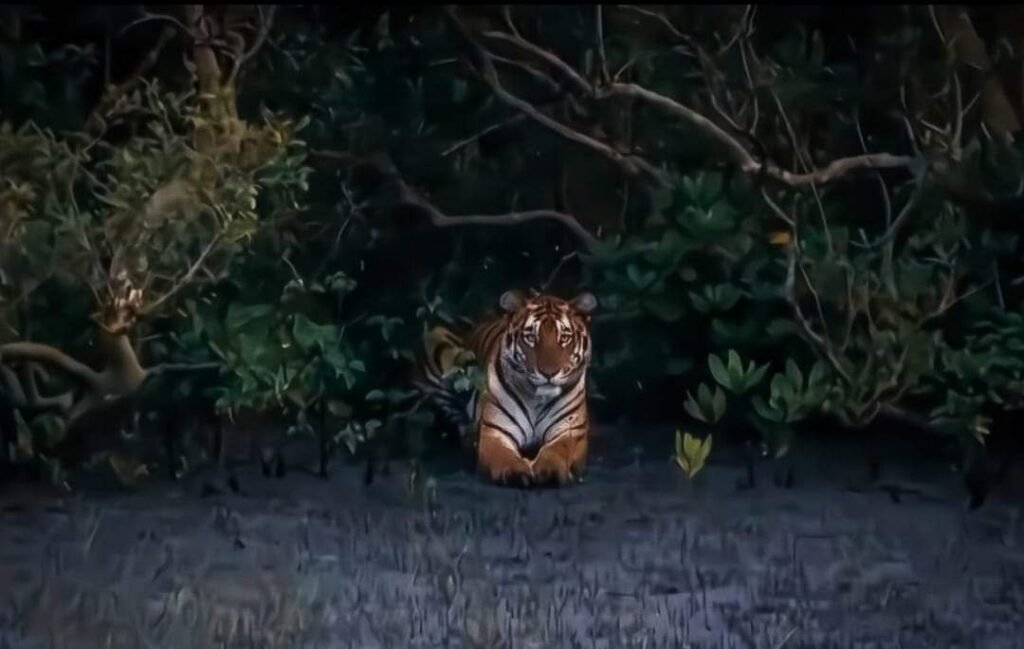
When it comes to wildlife photography, your most valuable tool is not your camera or lens—it is your patience. Many photographers visit the Sundarbans hoping for immediate tiger sightings, but successful wildlife photography often involves long hours of observation and waiting.
A Royal Bengal Tiger may only be visible for a few moments before disappearing from view. Missing that brief opportunity can mean waiting several more hours or even days for another chance. This is why patience and constant readiness are essential.
The most successful photographers understand that wildlife photography is about observing nature rather than chasing wildlife. Remaining alert, studying animal movement patterns, and staying prepared throughout the journey often leads to the best photographic opportunities.
Best Time for Royal Bengal Tiger Photography in Sundarbans
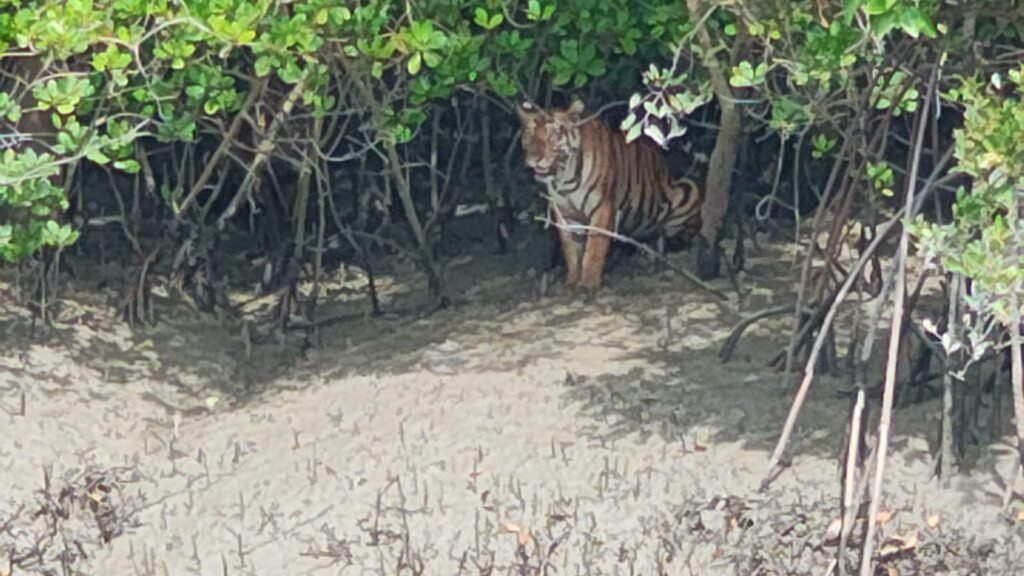
Choosing the right season is one of the most important factors in improving your photography results. The best time for Royal Bengal Tiger Photography in Sundarbans is generally between November and March.
During these months, the weather remains pleasant, visibility improves significantly, and wildlife activity is more frequent. The cooler temperatures encourage animal movement, making sightings more likely compared to the hotter months of the year.
Morning and evening sessions are particularly productive for wildlife photography. Early mornings offer soft natural light, reduced haze, and better opportunities for capturing sharp wildlife images. Late afternoons provide beautiful golden-hour lighting that enhances both wildlife and landscape photography. These lighting conditions help photographers create dramatic and visually appealing compositions.
Essential Camera Equipment for Sundarban Tiger Photography
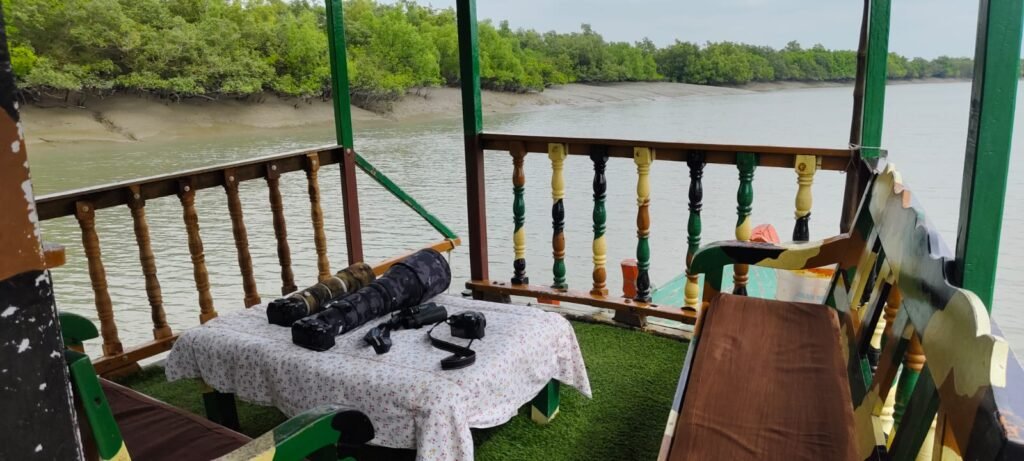
Photographing a Royal Bengal Tiger in the Sundarbans requires proper camera equipment because sightings often occur from a distance. A telephoto lens is highly recommended to capture detailed wildlife images without disturbing the animals.
A camera body with fast autofocus and excellent low-light performance can significantly improve your chances of capturing moving subjects. Since wildlife encounters can happen unexpectedly, photographers should always keep their cameras ready for action.
Extra batteries and high-capacity memory cards are also important because long photography sessions can quickly consume power and storage space. Since photography is conducted from boats, stabilization support can be useful for improving image sharpness in moving conditions.
Common Challenges During Tiger Photography
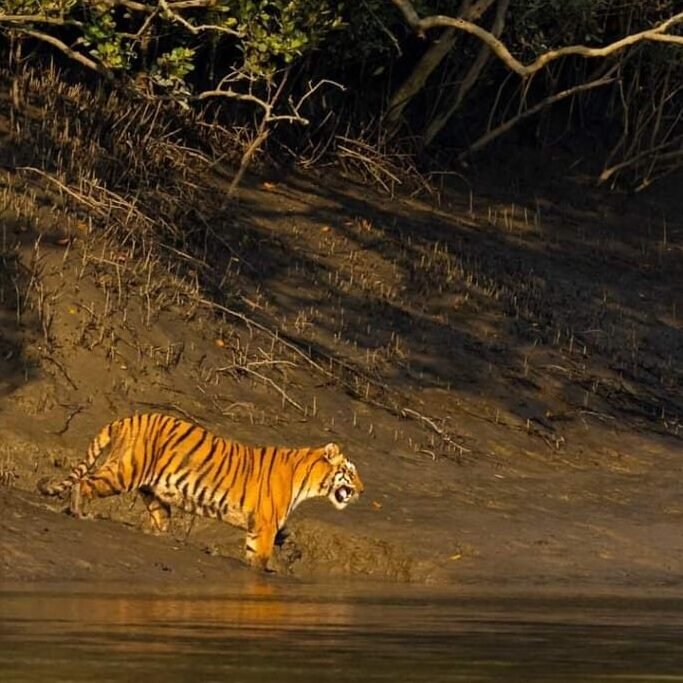
One of the biggest challenges in Sundarban wildlife photography is the unpredictability of tiger sightings. Tigers may appear suddenly and disappear before photographers have enough time to adjust their camera settings.
Boat movement creates another difficulty. Unlike jeep safaris, photography from boats requires photographers to maintain stability while dealing with water currents and constant motion. Distance from the subject can also be challenging because wildlife regulations require maintaining a safe distance from animals.
Lighting conditions change rapidly throughout the day due to the dense mangrove environment. Photographers must constantly adapt to varying levels of light and shadow. Weather conditions such as humidity, fog, and river reflections can further complicate photography sessions.
Why a Dedicated Sundarban Photography Tour Package Is Recommended
If your primary goal is wildlife photography, booking a dedicated Sundarban Photography Tour Package is highly recommended. Standard sightseeing tours are designed for general travelers who want to explore the beauty of the Sundarbans through leisure activities, cultural experiences, and sightseeing.
A dedicated photography tour, however, is designed specifically for wildlife enthusiasts and photographers. These tours focus on maximizing wildlife viewing opportunities and are planned around the best photography hours of the day.
Photography tours often provide longer exploration periods, better wildlife tracking opportunities, smaller group sizes, and schedules tailored to photographers. These advantages can significantly increase the likelihood of capturing high-quality images of the Royal Bengal Tiger and other wildlife species.
Why Sundarban Photography Tours Cost More
Many travelers wonder why a Sundarban Photography Tour is more expensive than a regular tour package. The answer lies in the specialized arrangements required to support wildlife photography.
Photography tours typically involve extended safari hours, customized boat arrangements, experienced wildlife guides, and carefully planned itineraries designed around wildlife movement patterns. These additional resources increase operational costs but also create a far more rewarding experience for serious photographers.
For those passionate about wildlife photography, the additional investment is often worthwhile because it provides greater access to photography opportunities and professional guidance throughout the journey.
More Than Just Royal Bengal Tiger Photography
Although the Royal Bengal Tiger remains the highlight of any photography expedition, the Sundarbans offers countless opportunities beyond tiger photography. The region is rich in biodiversity and provides excellent subjects for bird photography, landscape photography, and nature photography.
The mangrove forests, winding rivers, dramatic sunsets, saltwater crocodiles, spotted deer, kingfishers, herons, egrets, and Brahminy kites all contribute to a diverse photography portfolio. Many photographers return from the Sundarbans with stunning wildlife and landscape images even when tiger sightings are limited.
Why Choose Banalata Travels for a Sundarban Photography Tour?
When planning a Sundarban Wildlife Photography Tour, choosing the right travel partner can make a significant difference. Banalata Travels is a trusted name for photographers looking to explore the Sundarbans through a dedicated photography experience.
Banalata Travels understands the unique requirements of wildlife photographers and offers carefully designed photography tour packages that focus on maximizing photography opportunities. The company provides well-planned itineraries, experienced local support, extended wildlife exploration sessions, and photography-friendly schedules that cater to both amateur and professional photographers.
Whether your goal is capturing a Royal Bengal Tiger, photographing rare bird species, or documenting the beauty of the mangrove ecosystem, Banalata Travels offers a reliable and professional photography tour experience.
Final Thoughts
Royal Bengal Tiger Photography in Sundarbans is one of the most exciting and challenging wildlife photography experiences in India. Success requires patience, preparation, timing, and the willingness to embrace uncertainty. The dense mangrove forests and elusive nature of the Royal Bengal Tiger make every sighting special and every photograph valuable.
Choosing the right season, carrying suitable photography equipment, and booking a dedicated Sundarban Photography Tour Package can significantly improve your chances of capturing remarkable wildlife images. For photographers seeking a well-organised, professional experience, Banalata Travels offers an excellent opportunity to explore the Sundarbans and capture unforgettable wildlife photography memories.